The Second-Day Shampoo Audit: When £8 Does the Job and £80 Has to Earn It
Photo: Ranjima np, CC0, via Wikimedia Commons
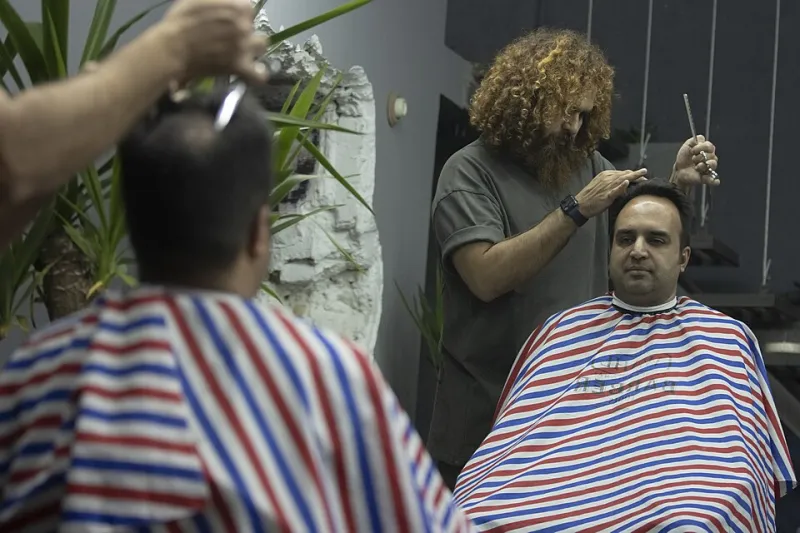
In the chair, second-day hair tells the truth. Roots are slightly separated, the ends have had time to settle, and whatever the shampoo left behind is now visible. A bottle can feel luxurious in the shower and still leave hair lank by tomorrow lunchtime. Equally, an £8 supermarket shampoo can do a perfectly good job on the right head of hair. This is not a case of cheap versus expensive. It is a case of fit.
What the second-day test actually measures
We are not judging shampoo by the first five minutes of squeak. We are looking at how hair behaves 48 hours after washing. Does the root look clean or coated? Is the scalp comfortable? Are the ends dry, weighed down or strangely crunchy? Does the hair still have movement, or has it collapsed into a helmet?
That second-day picture tells you more than the label. It shows how well the shampoo removed oil and product, how much conditioning it left behind, and whether your scalp liked the formula. A £80 bottle that makes fine hair limp is worse value than a £8 bottle that keeps it clean and bouncy.
Lather is not a performance
Budget shampoos often lather like a dream because they are built to give that big foam sensation. Premium shampoos can be quieter, with a creamier, lower lather. Neither is automatically better. Lather is about surfactants and water, not cleaning power. If you have soft water in your area, you may need less shampoo than you think. In a hard water postcode, you may find more residue and need a clarifying wash occasionally.
Use enough to clean the scalp, not enough to drown it. If you have heavy styling products in, do a first wash to lift the bulk and a second to clean the scalp properly. If your hair is fine and gets greasy quickly, do not assume more shampoo is the answer. Sometimes it is a rinsing problem.
Residue, weight and the 48-hour feel
This is where the budget-versus-premium gap shows up most. Cheaper formulas can leave a coating that feels smooth at first and heavy by day two, especially if you use a rich conditioner on top. Some premium shampoos are beautifully balanced, but others are so rich that fine hair gives up by the evening. Thick, coarse or curly hair can carry more conditioning than fine hair can.
If your hair looks dull at the roots but dry at the ends, you may be using the wrong shampoo and conditioner combination. A lightweight shampoo plus a richer mid-length mask often beats one expensive all-in-one bottle. If your hair feels coated, use a clarifying shampoo once a fortnight, then go back to your normal routine.
Scent is valid, but do not pay for it alone
A beautiful scent is a real pleasure. If a shampoo makes your shower feel like a spa, that has value. But scent fades, and sensitive scalps can react to fragrance. If you are buying a premium bottle only for the smell, be honest about that. It is fine to enjoy it. Just do not expect the scent to fix greasy roots or a flaky scalp.
The salon checklist: save or spend?
Save on shampoo if: your hair is healthy, you wash every other day, you do not colour often, your scalp is not sensitive, and you are happy to spend more on conditioner or a leave-in treatment. A basic high street shampoo can clean perfectly well, especially if you clarify occasionally and rinse properly.
Spend on shampoo if: your hair is colour-treated or bleached, your scalp is sensitive, your hair is fine and gets weighed down easily, or you live in a hard water area and need a chelating formula. Spend if the bottle solves a specific problem. Do not spend just because the packaging looks good on the shelf.
Spend on conditioner instead if: your ends are dry but your roots are oily. A mid-range conditioner and a simple shampoo is often the most sensible split. The same goes for leave-in treatments and heat protection. Those stay on the hair, so the formula matters more.
UK-friendly picks without the snobbery
At the £8 end, look at Alberto Balsam, Garnier Ultimate Blends, L'Oréal Elvive, Superdrug own-brand and Boots Ingredients. They are easy to find, often on offer, and perfectly capable for many hair types. At the premium end, brands such as Kérastase, Aesop, Oribe, Shu Uemura and Pureology cost more because of formulation, scent, packaging and the salon experience. Some are excellent. Some are not worth it for your hair. Olaplex sits in the middle and suits some coloured hair brilliantly, but it is not a magic wand for every scalp.
How to test a shampoo at home
Before you decide a bottle is brilliant or rubbish, use it for three washes. Keep your conditioner and styling products the same. Wash on a normal day, style as usual, and check your hair at the 48-hour mark. Look at the roots first, then the ends, then the scalp. If your scalp itches or your hair feels coated, the formula is not right for you. If your hair still has movement and your scalp feels comfortable, you have found a keeper.
A shampoo does not have to cost £80 to earn its place in your bathroom. It has to clean your scalp, suit your hair and behave on day two. That is the test we trust in the salon, and it works at every price point.