Flakes Before Fringe: The Winter Scalp Reset Your Stylist Wishes You'd Book
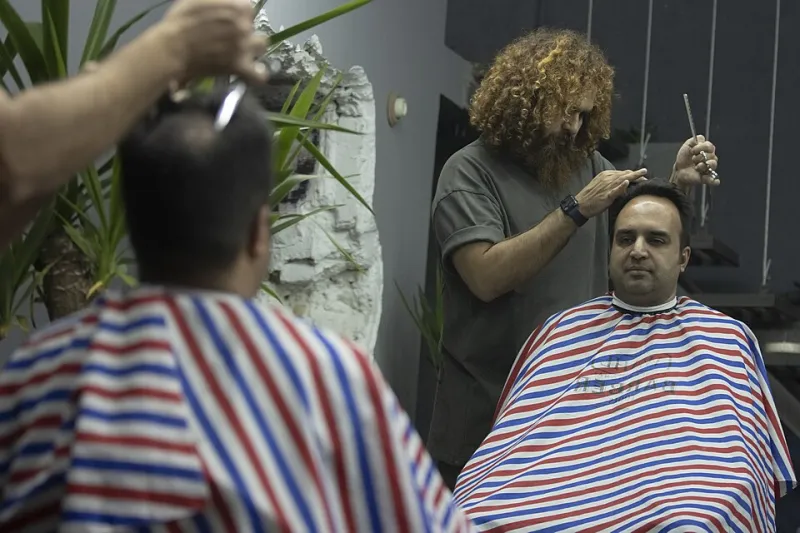
Photo: Mostafameraji, CC0, via Wikimedia Commons
Winter is when scalps start talking. In the chair, we often notice it before the fringe: a tight hairline, a few white flecks on a dark jumper, or a client who keeps shifting because the scalp is itchy. At Tracey West Hair, we are stylists, not dermatologists, but we spend our days up close with hair and scalps. When the central heating goes on, the wool hats come out and the temperature drops, the scalp often needs a different conversation.
Why the scalp gets the first look
The skin on your scalp is still skin. It has oil glands, a barrier, and a response to cold air, indoor heat, hot showers and friction from hats. A stylist notices the scalp because styling sits on top of it. If the scalp is irritated, tight or covered in product residue, even a brilliant cut can feel uncomfortable and look less clean at the roots.
Flakes are not automatically a single thing. They can be simple dryness, product buildup, seasonal irritation, or a dandruff-type flake. Itchiness can come from dry air, overwashing, under-rinsing, a reaction to a styling product, or a hat that has been sitting on a warm head for weeks. We are not here to diagnose. We are here to spot patterns and adjust the salon service and the at-home routine accordingly.
What flakes can and cannot tell us
In the salon, we look at where flakes sit, how the scalp looks and how the hair feels. Fine white flakes near the hairline can point towards dryness or residue. Flakes that sit in the parting and come with a tight, itchy feeling may need a gentler wash routine. Yellowish or greasy-looking flakes, redness, sore patches or a scalp that is painful to touch are not things to guess at over a basin.
What we cannot do is look at flakes and give you a medical answer. If your scalp is inflamed, bleeding, weeping, very sore, or you are losing hair suddenly, please speak to your GP or pharmacist. That is not a salon issue to style around.
How to bring it up in the chair
Please do not cancel your appointment because you are embarrassed about flakes. We have seen it all, and we would much rather know before the gown goes on. Tell your stylist at the consultation: my scalp has been itchy, tight, flaky or sensitive. Mention how often you wash, what you have been using, whether you have had colour recently, and whether the itch is worse after certain products or in certain hats.
We can then make practical changes. We might use a gentler shampoo, skip a vigorous scalp massage, rinse more carefully, or avoid putting a strong treatment near the roots. If you are booking colour, a calm scalp matters. Colour on broken or angry skin is not a good idea, and we may ask you to settle the scalp first.
A realistic two-week winter reset
This is not a ten-step routine. It is a sensible reset you can actually keep up with in a normal week.
1. Simplify the wash. Use a gentle, fragrance-free shampoo if your scalp feels tight or reactive. Wash with lukewarm water, not scalding, and rinse for longer than feels necessary. If you wash daily out of habit, try alternating with a gentler cleanse on non-styling days. If you leave days between washes, make sure you are rinsing away sweat and product properly on wash day.
2. Treat flakes, do not scrub at them. If you have buildup, a scalp exfoliant once a week can help, but only on skin that is not sore or broken. If flakes are the main issue, an anti-dandruff shampoo from the high street can be useful. Follow the label, leave it on for the stated time, and do not use it every single wash if your scalp feels dry. Ask a pharmacist if you are unsure.
3. Keep conditioner off the scalp. Conditioner belongs on mid-lengths and ends. Rinse thoroughly at the roots. Heavy masks and oils can be lovely on dry ends, but they can leave the scalp feeling coated if you push them too high.
4. Deal with the hat situation. Wash wool and acrylic hats regularly, or wear a clean cotton lining. Do not put a hat on wet hair and leave it there all day. If your scalp itches after wearing a particular hat, that is useful information.
High street products that fit the reset
You do not need a salon-only shelf to calm things down. In Boots, Superdrug or a larger Tesco, look for a gentle shampoo for sensitive scalps, a basic anti-dandruff shampoo if flakes are the main concern, and a lightweight scalp serum if the skin feels dry. Brands such as Head & Shoulders, Neutrogena T/Gel, Nizoral, Aveeno and The Ordinary are easy to find, but the label matters more than the marketing. If a product stings, stop using it.
What to book, and what to skip
If your scalp is calm but flaky, a normal cut and a gentle wash is fine. If it is irritated, book a consultation first rather than a full colour service. Scalp treatments can be lovely, but they are not a fix for sore or broken skin. This winter, think of your scalp as the foundation. Get that comfortable first, and the fringe will follow.