Stop Saying ‘Just a Bit of Texture’ — What to Ask For Instead
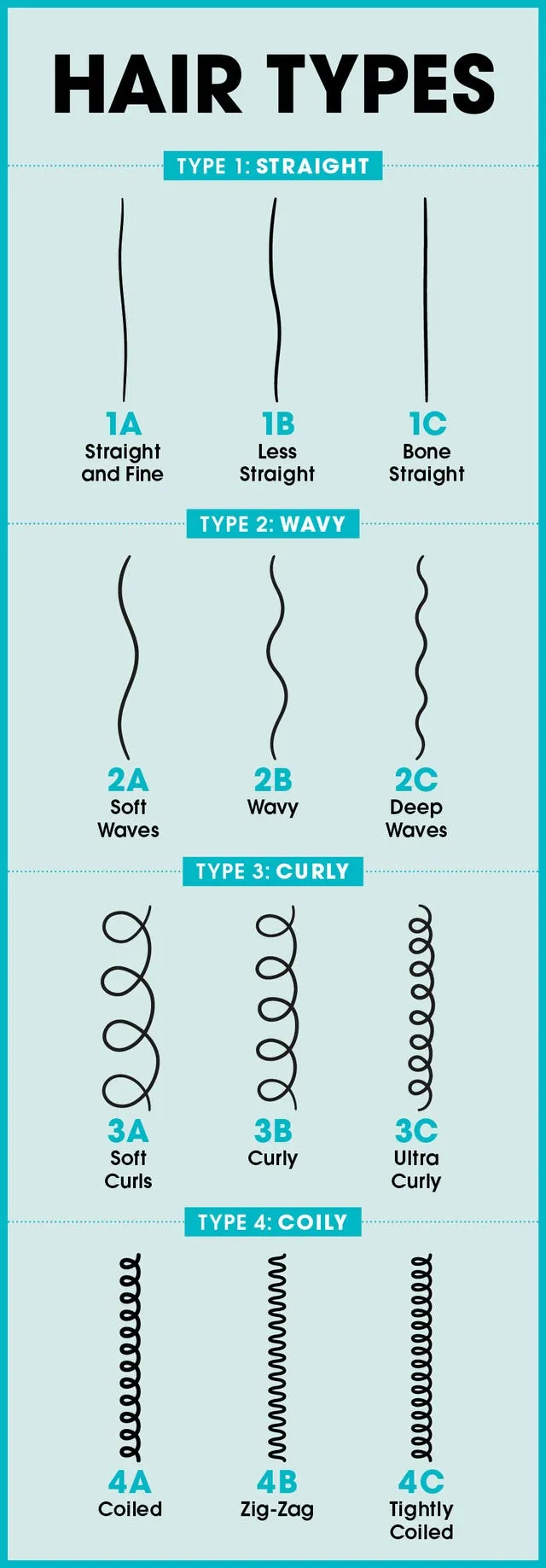
Photo: hair stylist consulting client in salon mirror pointing at hair shape, via hips.hearstapps.com
I’ve lost count of how many times a client has sat down, gestured at their hair and said: ‘I just want a bit of texture.’ I know what they mean. Usually they mean less perfect, more lived-in, easier to style, not too polished. But ‘texture’ can also mean grip, wave, volume, separation, roughness, or a hundred tiny decisions about layering. If we don’t pin it down, I’m guessing — and you’re paying for my guess.
In 2026, the language around hair has become more creative and more confusing in equal measure. ‘Invisible layers’, ‘lived-in ends’, ‘movement’, ‘softness’, ‘weightless volume’ — they all sound lovely. They don’t all mean the same thing. Here’s my straight-talking translation, plus the scripts I wish more clients would use.
‘Just a bit of texture’ is not a brief
Texture is the word that starts the most misunderstandings. For a stylist, texture can refer to the natural pattern of the hair — curly, wavy, straight — or to the finish of the cut: piecey, separated, slightly messy. It can mean you want more grip so your hair doesn’t slide flat, or you want the ends to look less blunt. It can even mean you want a salt spray and a diffuser, not a scissor change at all.
So when you say ‘just a bit of texture’, I have to ask three questions. Do you mean you want more wave? Do you mean you want the ends to look less uniform? Or do you mean you want it to hold a style better between washes? Those are different requests, and they lead to different cuts and different products.
A better script: ‘I want the ends to look slightly piecey and uneven, but I don’t want short layers around my face.’ Or: ‘I want more grip at the root so it doesn’t go flat, but I still want it to look smooth.’ That gives me something to work with.
‘Movement’ is a shape, not a setting
Movement is one of those words that sounds like a styling instruction but is actually a cutting instruction. When I say a cut has movement, I mean the hair has enough internal shape that it swings and separates when you move your head. It doesn’t mean it’s wavy. It doesn’t mean it’s layered to within an inch of its life. It means the weight has been distributed so the hair isn’t hanging in one solid block.
If you ask for movement, be clear about where you want it. Do you want movement at the ends, so the bottom of the cut feels lighter? Do you want movement around the face, so the front pieces can be tucked or left loose? Do you want movement at the root, so the crown doesn’t sit flat? A good stylist will show you with their hands where the shape will sit. If they can’t explain it without jargon, ask them to point to it on your head.
‘Invisible layers’ and ‘lived-in ends’
These two phrases are everywhere in 2026, and they’re not meaningless — they’re just badly used. Invisible layers usually means layers that are cut in a way that doesn’t create a visible step or shelf. The hair looks like it has shape without obvious short pieces. It’s a real technique, and it’s great for clients who want movement but are scared of looking choppy.
Lived-in ends means the ends are not blunt or perfectly squared off. They might be point-cut, slightly textured, or graduated so they look like they’ve grown out naturally. The effect is softer and more relaxed. But ‘lived-in’ is not a licence for a stylist to hack into your ends without a plan. If you have fine hair, too much texture at the ends can make it look thin. If you have thick hair, it can be exactly what you need to stop the bottom looking heavy.
A useful script: ‘I want the ends to look soft and slightly uneven, but I don’t want to lose length or density.’ That tells me the finish you want and the limit you don’t want crossed.
The phrases that cause more confusion than confidence
Some jargon should come with a warning label. ‘Weightless volume’ is one. Everyone wants volume; nobody wants the work. But if your hair is fine and you ask for weightless volume, you might get a cut that’s too layered and a styling routine that takes twenty minutes. ‘Soft layers’ is another. Soft where? Around the face? At the crown? Through the ends? The word ‘soft’ is doing a lot of heavy lifting.
‘Face-framing’ is usually clear enough, but it’s worth specifying whether you want a short piece that sits at the cheekbone or a longer piece that tucks behind the ear. ‘Curtain bangs’ has about five different interpretations depending on the salon. And ‘just a trim’ means something different to everyone — ten millimetres to one client is a dusting to another.
Scripts that actually work
The best script is specific and sensory. Instead of ‘I want texture’, try: ‘I want the ends to look a bit piecey, like I’ve had a salt spray in and scrunched it.’ Instead of ‘I want movement’, try: ‘I want it to swing when I turn my head, but I don’t want it to look layered.’ Instead of ‘I want volume’, try: ‘I want the root to lift without backcombing, and I don’t want it to feel big at the sides.’
Bring a photo if you have one, but don’t just bring a photo. Point to the part you like: the shape at the front, the way the ends sit, the amount of root lift. Tell your stylist what you don’t want, too. ‘I don’t want short layers’ is just as useful as ‘I want texture.’ Sometimes more useful.
What I’d like to retire in 2026
I’d happily retire ‘just a bit of texture’ as a standalone request. Not because texture is bad — it’s brilliant — but because it’s too vague to cut to. I’d also like to retire the idea that jargon makes a consultation more professional. It doesn’t. Clarity does.
At Tracey West Hair, the consultation is where the cut actually happens. The scissors just follow the conversation. So next time you’re in the chair, skip the buzzword and tell us what you want the hair to do when you leave the house. That’s the brief we can work with.