Fringe Weather: A Salon Guide to Bangs That Survive a British Week

Photo: Unknown, CC0, via Wikimedia Commons
A fringe is a commitment. Not in a dramatic, wedding-vow way, but in a you-will-think-about-it-every-morning way. One day the forecast says crisp and bright; the next it is drizzling sideways and your central heating is doing its best impression of a hairdryer. At Tracey West Hair, we see the same story play out a fortnight after a fringe cut: the client is convinced the fringe is misbehaving, when really it is just responding to the weather and the routine it has been given.
Here is the salon-side plan for keeping a fringe sharp without spending twenty minutes in front of the mirror.
The cut is the forecast
A fringe should be cut for the life you actually live, not the one you imagine while scrolling. At consultation, we look at growth pattern, cowlicks, density and how much styling you are genuinely willing to do. A heavy, blunt fringe on fine hair can look brilliant for an hour and then collapse. On very thick hair, a solid fringe can turn into a curtain by lunchtime unless it has been internally shaped.
Ask for a shape that suits your face and your hair type. Round faces often suit a longer fringe that breaks at the cheekbone, or a curtain fringe that opens the face. Square faces can carry a softer, layered fringe with a bit of movement; a hard horizontal line right at the brow can feel severe. Oval faces have the most freedom. Heart shapes usually work well with a wispy or curtain fringe that adds width lower down. Longer faces can take a fuller fringe, which visually shortens the face.
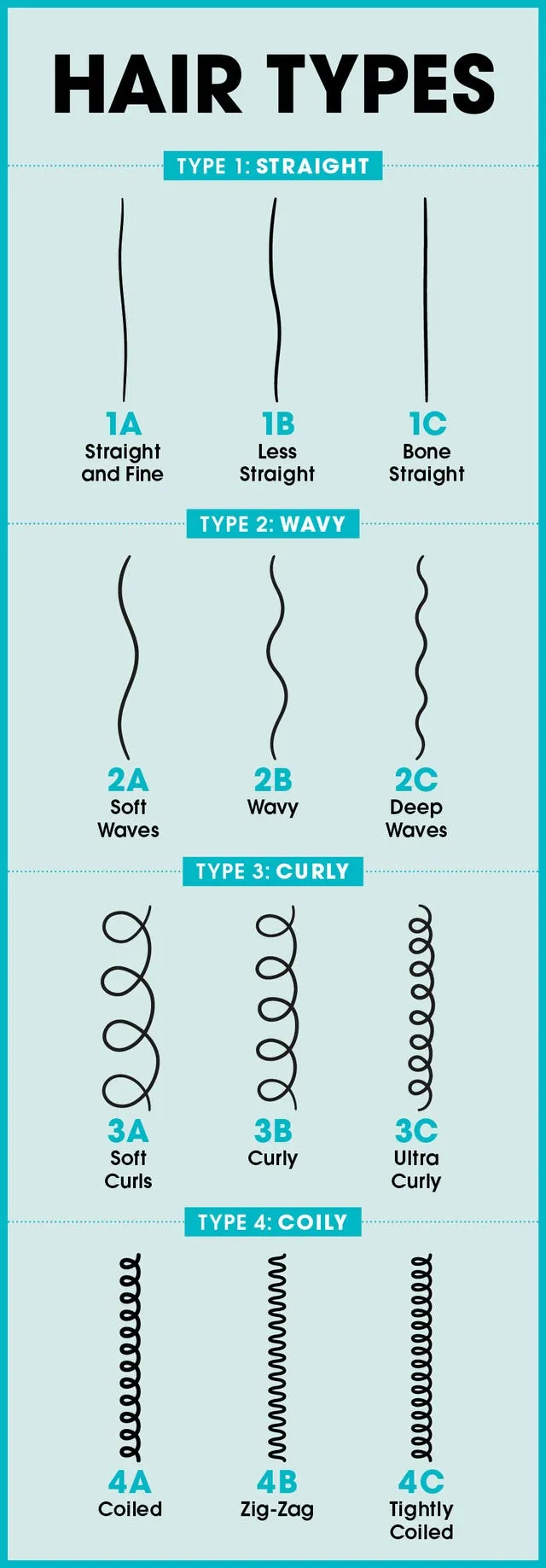
The cutting angle matters more than the label. A fringe cut flat against the forehead will sit heavy and flat. Over-directing the hair to one side creates movement and a softer edge. Point-cutting the ends takes weight out without making the fringe look thinned. For curly or wavy hair, we cut with the curl pattern in mind, often dry or with shrinkage allowed for. A straight blunt fringe on curly hair is a daily fight unless you are prepared to straighten it.
Products that hold without the crunch
The biggest mistake is treating a fringe like the rest of your hair. It does not need a full pump of serum, a dollop of mousse and three layers of hairspray. It needs a small amount of the right thing, applied where it counts.
For fine hair, start with a light pre-styling mist or a tiny amount of mousse at the root. Blow-dry the fringe first, before the rest of your hair, so you are not fighting for mirror space later. Finish with a flexible-hold hairspray, sprayed from at least 20cm away and brushed through while still damp-ish. That gives hold without the helmet effect.
For thicker hair, a smoothing cream or a light oil on the ends can help, but keep it away from the root. A medium-hold spray is usually enough. If you are prone to frizz in humidity, look for a humidity-resistant finishing spray rather than a heavy pomade. Pomade and wax can make a fringe look greasy by mid-morning, especially in the rain.
For curly fringes, a leave-in conditioner plus a soft-hold gel or curl cream is usually more useful than hairspray. Scrunch, diffuse or air-dry, then break the cast gently. Do not brush a dry curly fringe unless you want a cloud.
Central heating is its own challenge. It creates static and saps moisture. A tiny amount of leave-in conditioner on the ends, plus a humidifier in the bedroom if you are serious about it, can make a difference. Wash your fringe less often than you think. A dry shampoo at the root on day two is often better than a full wash and blow-dry.
The two-minute morning reset
You do not need to redo your whole head. Dampen the fringe only, using a spray bottle or wet hands. Comb it into the direction you want, then blow-dry with the nozzle pointing down. Use a small round brush for a smooth finish, or a comb for a softer curtain fringe. If you have a cowlick, dry it with tension in the opposite direction first, then bring it back.
For curtain bangs, a velcro roller while you do your make-up is a quiet little trick. Blast it with warm air, let it cool, then remove and shake out. Finish with a cool shot to set the shape. Keep the hairspray on your fingertips, not directly on the fringe, and pinch the ends into place.
If the forecast is truly awful, work with it. A slicked-back fringe, a headband or a scarf is not a failure. Neither is a ponytail with the fringe left out and lightly sprayed. The worst thing you can do is touch a wet fringe all day. The more you fiddle, the more it splits.
When the weather wins
Keep a small kit in your bag: a comb, a mini hairspray and a compact mirror. If your fringe separates at the office, dampen your hands, smooth it back into shape and let it dry. Do not reach for straighteners every day; the heat will make the ends look blunt and dry.
If your fringe is growing out and driving you mad, book a fringe trim rather than taking scissors to it yourself. Most salons, including ours, would rather see you for a quick tidy than spend months growing out a DIY gap. A fringe needs trimming every three to four weeks for most people, especially if it is blunt.
The British weather is not the enemy. A fringe that has been cut for your hair, supported by a small amount of the right product and reset in two minutes, can handle a week of drizzle, wind and radiators. The trick is to stop expecting it to behave like a photo and start treating it like a living thing.