Circle It, Don't Copy It: A Stylist's Guide to Bringing a Hair Photo to the Chair
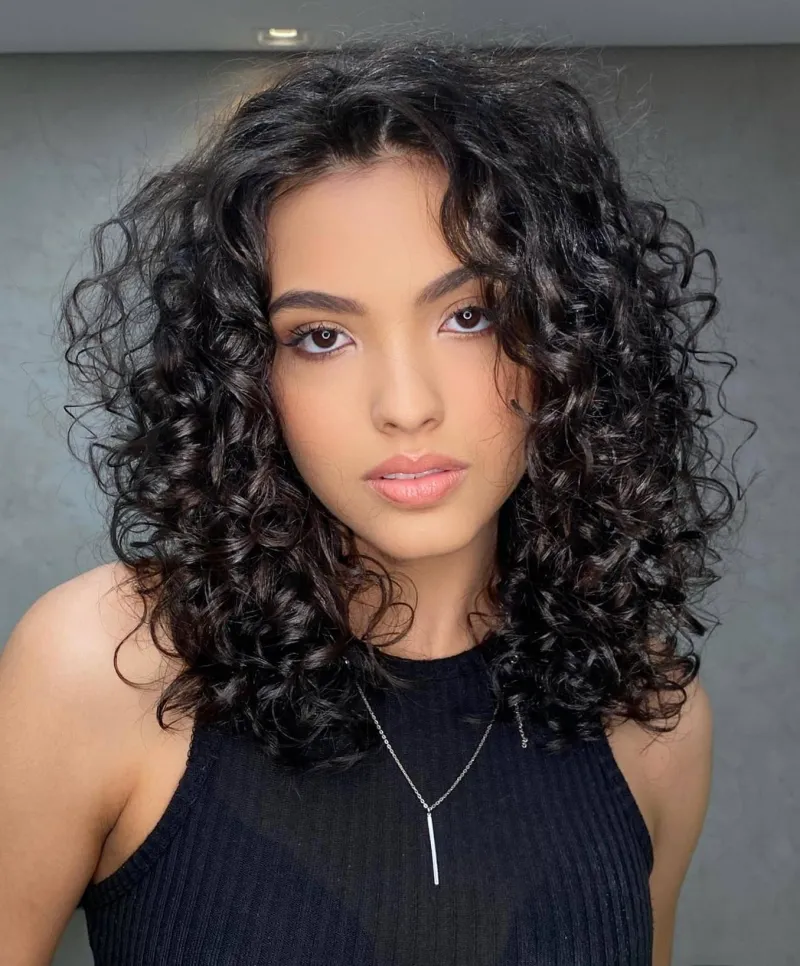
Photo: hair stylist consultation client showing phone reference photo in salon, via therighthairstyles.com
There is a particular sort of silence that falls over the salon when a client hands you their phone. The screen is bright, the hair in the photo is impossibly glossy, and the person in it is almost never sitting in your chair. I have had this moment hundreds of times, and I have learned that the photo is rarely the problem. The problem is what we do with it.
A reference picture can be a brilliant starting point. It can show me the shape you are drawn to, the colour direction you like, and the finish you want to see in the mirror. But it is not a contract. It is a set of clues. The job — mine and yours — is to work out which clues matter for your hair, your routine and your life.
A photo is evidence, not an order form
When you bring in a screenshot, you are really saying: something about this appeals to me. That something might be the length, the way the layers sit, the root shadow, the softness at the front, or simply the fact that the person looks relaxed and expensive. Until we name it, we are both guessing.
A photo also captures a single moment. It has lighting, a filter, a stylist's finishing skills, and often a density and texture that are not yours. None of that makes it useless. It just means we need to translate rather than copy.
Circle the part you actually want
Most people hand over a photo and wave at the whole thing. I always ask them to zoom in and point. If the person in the picture had completely different colour, would you still want the cut? If they had a different length, would you still want the colour? If the answer is no to either, that tells us a lot.
Try to separate the image into four parts: shape, colour, texture and finish. Shape is the outline — where it sits at the jaw, shoulder or collarbone. Colour is the shade and the placement. Texture is the natural pattern or the way it has been styled. Finish is the polish: smooth, piecey, fluffy, sleek. You might only love one of those four. That is fine. That is useful.
Three circles, one photo
Before you come in, mark up the picture. I mean it — use your phone's edit tool or a screenshot marker. Circle the bit you keep coming back to. Then circle a second thing you would be happy to lose. Then write one sentence underneath about your morning routine.
That sounds fussy, but it saves a whole consultation of nodding and hoping. If you circle the fringe and the root colour, I know we are talking about the front of the face and depth at the root. If you circle the ends, I know you care about movement more than length. If you cannot circle anything, you probably like the overall mood rather than the specifics — and that is worth saying out loud too.
What to ignore
Ignore the model's density. Ignore the filter. Ignore the fact that someone spent forty minutes with a round brush before the photo was taken. Ignore the exact shade if your hair has years of box dye, old highlights or a colour correction in its history. Ignore the hairline and the face shape, because yours is the one we are working with.
This is not me being negative about your inspiration. It is me being honest about the difference between a photograph and a head of hair. The more we agree on what is not transferable, the more creative we can be with what is.
Questions that do the heavy lifting
You do not need to be an expert. You just need to ask a few direct questions. Here are the ones I wish every client felt comfortable asking:
- Which part of this photo are we actually aiming for?
- What in this image will not translate to my hair, and what is the closest version?
- What will this ask of me on a normal morning?
- How will it grow out, and when should I book again?
- If we cannot get this exact finish, what would you recommend instead?
- Can you show me a photo of a client with similar density or texture?
That last one is gold. A good stylist will have images of real work on real heads, not just polished references. It gives you a much better idea of what your version might look like.
When the photo and your hair disagree
Sometimes the honest answer is: we can get the shape, but not the weight. Or: we can get the colour, but it will take two appointments and a home-care plan. Or: that fringe will need styling every single day, and you have told me you will not do that.
That is not a failure. It is the consultation doing its job. A big part of my work is protecting you from a result you will resent by week three. If you have fine hair, we can build volume with the cut and the finish, but we cannot add density. If your hair has been every colour on the chart, we may need to be gradual. The photo stays on the phone; the plan is built around you.
Leave with something you can wear
The best result is not the one that looks most like the screenshot. It is the one that looks like you, on a Tuesday, with the amount of time you actually have. So bring the photo. Circle it. Ask the awkward questions. A good stylist wants the same thing you do: hair that feels like yours, not a failed copy of a stranger on Pinterest.
At Tracey West Hair, we would rather spend ten extra minutes in consultation than spend the next six weeks hearing you say, 'It's lovely, but I can't do it at home.' Bring the picture. Let's turn it into a plan.